How Can We Support Our Mitochondria?
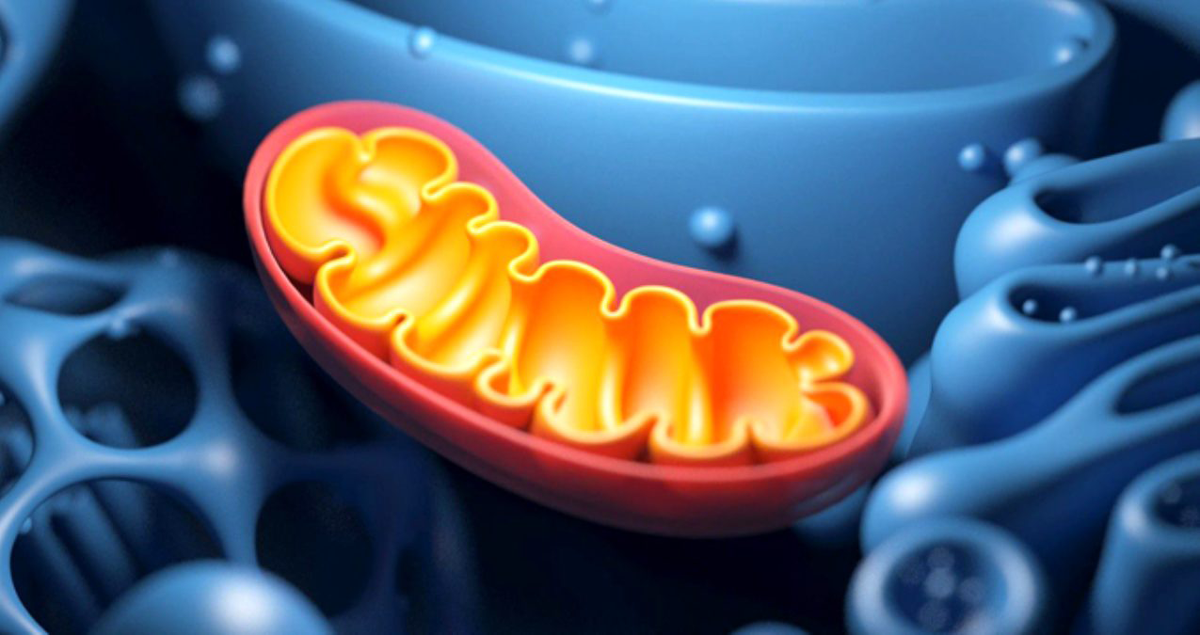
Mitochondria, our cells’ ‘power plants’, are where ATP, the basic energy unit of our cells, is produced. ATP cannot be stored and must be produced every second, which is what our mitochondria do,
Understand a lifestyle approach that supports cellular energy centers.
Mitochondria are central to cellular energy production. We explain the relationship between balanced nutrition, movement, sleep and metabolic health in a clear scientific framework.
- 01The main function of mitochondria
- 02Energy metabolism and nutrition
- 03Physical activity and cellular adaptation
- 04Sleep, stress and lifestyle balance
This content provides general information and does not replace diagnosis or treatment advice.
How Can We Support Our Mitochondria?
Mitochondria, our cells’ ‘power plants’, are where ATP, the basic energy unit of our cells, is produced. ATP cannot be stored and must be produced every second, which is what our mitochondria do,
Mitochondria provide this energy through cellular respiration. If our mitochondria are unhealthy, our cells cannot use the air we breathe; we consequently lose some cells, conditions arise for chronic degenerative diseases, and we age prematurely.
If mitochondrial function is impaired for any reason, cellular and bodily functions cannot work properly.
Symptoms of Mitochondrial Problems:
1. Coenzyme Q10 (ubiquinol)
Ubiquinol is the only fat-soluble antioxidant the body produces. Coenzyme Q10 is required in every cell for mitochondrial energy (ATP) production, acting alternately as an electron donor (ubiquinol) and acceptor (ubiquinone) in the respiratory chain. Tissues and organs with many mitochondria, especially the heart, brain, muscles, pancreas, kidneys and liver, need substantial coenzyme Q10 for high energy output and proper function.
L-carnitine is a fatty acid carrier that binds and transports fatty acids into the mitochondrial matrix. People with very little L-carnitine often have mitochondrial dysfunction. As L-carnitine increases, more fatty acids are transported into mitochondria, increasing fatty acid metabolism and improving oxidative phosphorylation.
B vitamins are essential vitamins that play an important role in general health. They help support overall energy, cellular health, digestion, mental clarity, healthy nerve function, hormones, cardiovascular health, muscle tone and red blood cell growth.
Magnesium is important in aerobic energy production because it directly forms part of the magnesium–ATP complex and indirectly activates ATP-producing enzymes in glycolysis and oxidative phosphorylation. High stress or intense exercise substantially reduces the body’s magnesium content, causing fatigue and muscle cramps, which are signs of energy deficiency. Supplementing adequate magnesium in an easily absorbed form such as bisglycinate or malate replenishes stores, supporting production both through direct binding in the magnesium–ATP complex and indirectly through enzyme activation. This reduces fatigue, muscle pain and other symptoms of energy deficiency.
It may help reduce inflammation, stabilize blood sugar and improve cellular energy. ALA is a natural antioxidant. Supplementation can help you benefit from good mitochondrial health.
Resveratrol is a remarkable nutrient, a polyphenolic antioxidant occurring naturally in grape skins, seeds and some fruits. Its benefits include improving mitochondrial function, slowing aging, protecting the brain and nervous system, increasing detoxification, and preventing cancer, metabolic conditions and heart disease.
Curcumin is a powerful antioxidant and the active compound in turmeric, one of the most potent anti-inflammatory plants. It has numerous health benefits, including reducing inflammation and pain, improving diabetes, ulcerative colitis and osteoarthritis, and preventing and fighting cancer.