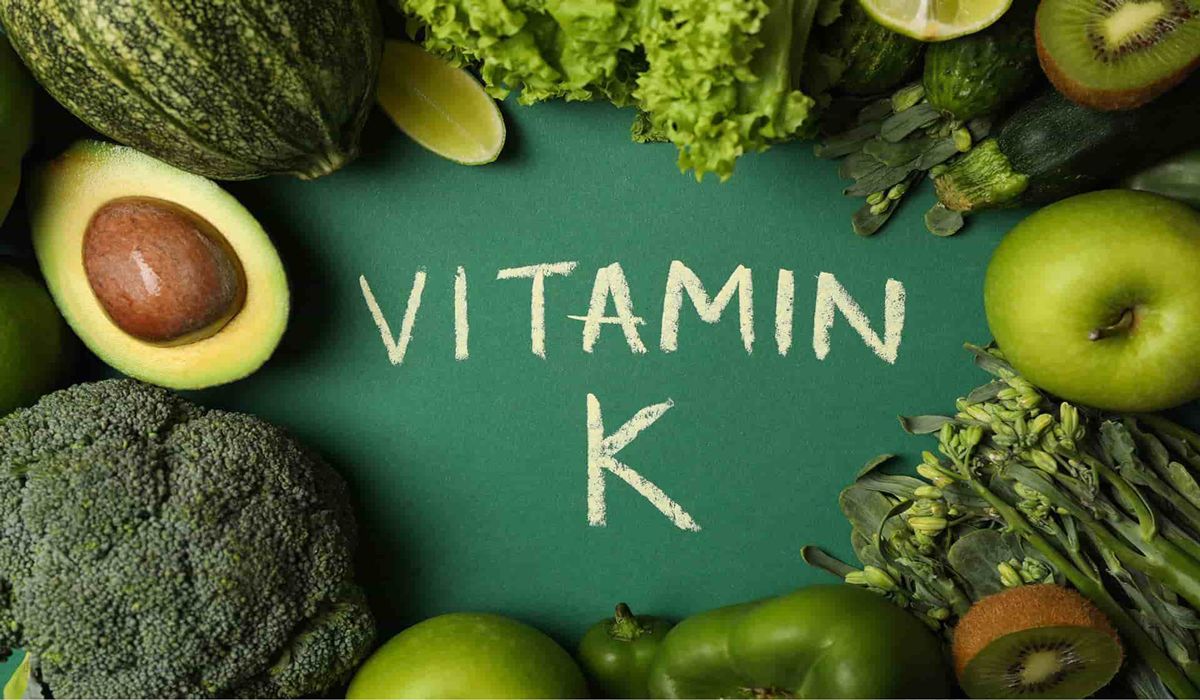
What Is Vitamin K?
Vitamin K is a fat-soluble vitamin found abundantly in leafy vegetables, herbs, dried legumes, liver and beef. Because deficiency is rare, it is also among the most overlooked vitamins.
Explore vitamin K’s role in bones and normal blood clotting.
Vitamin K is an important micronutrient with different forms and roles in the body. This article summarizes vitamins K1 and K2, their dietary sources and their place in a balanced diet.
- 01Main differences between vitamins K1 and K2
- 02Role in normal blood clotting
- 03Relationship with bone metabolism
- 04Foods containing vitamin K
This content provides general information and does not replace diagnosis or treatment advice.
What Is Vitamin K?
Vitamin K is a fat-soluble vitamin found abundantly in leafy vegetables, herbs, dried legumes, liver and beef. Because deficiency is rare, it is also among the most overlooked vitamins.
Did you know that vitamin K is the vitamin injected into newborns’ muscles to protect them against hemorrhagic anemia, because newborns have few intestinal bacteria?
Vitamin K is not a single vitamin. Let’s look at the main forms of this vitamin group:
K1 generally occurs naturally in plants, K2 is synthesized by intestinal bacteria, and K3 is a synthetic derivative. Vitamin K does more than support clotting. Linked to bone density maintenance, metabolism and episodic memory in older adults, it also plays an important role in calcium deposition in bone and in preventing calcium buildup in soft tissues such as the kidneys and blood vessels.
Which vitamin increases absorption of calcium, which is particularly important for bones?
As is widely known, vitamin D increases absorption of calcium, which is vital for our bones. Vitamin K prevents its accumulation in soft tissues. When calcium intake is insufficient, vitamin D begins drawing calcium from bones, which can lead to osteoporosis. Experts therefore describe taking vitamin D with K2 as the best approach and say that it increases absorption. D3K2 can also be combined with omega-3, since the increased synergistic effect positively influences absorption. K2 or vitamin K complex supplements are generally used to prevent osteoporosis, a risk that emerges particularly after menopause as hormone levels fall.
Daily vitamin K needs vary with age, sex and circumstances such as pregnancy. The usual recommendation is 100–200 mcg of vitamin K2. People taking blood thinners such as Coumadin or Warfarin should be careful and must consult a doctor. For healthy muscles and bones, do not neglect vitamin D, vitamin K2 and omega-3. Your health is in your hands!